Vegetables: Fresh or Frozen?
Vegetables are an essential part of a healthy diet, providing essential vitamins, minerals, and fiber. Fresh and frozen vegetables are both nutritious options, but there are some differences to consider when deciding between fresh and frozen.
Fresh Vegetables: Fresh vegetables are those that have not been preserved or processed in any way. They are typically sold in their raw state, either in grocery stores or at farmers’ markets. Fresh vegetables are often considered the most nutritious option because they contain the highest levels of vitamins and minerals. They are also often more flavorful than frozen vegetables, making them a great option for raw or lightly cooked dishes.
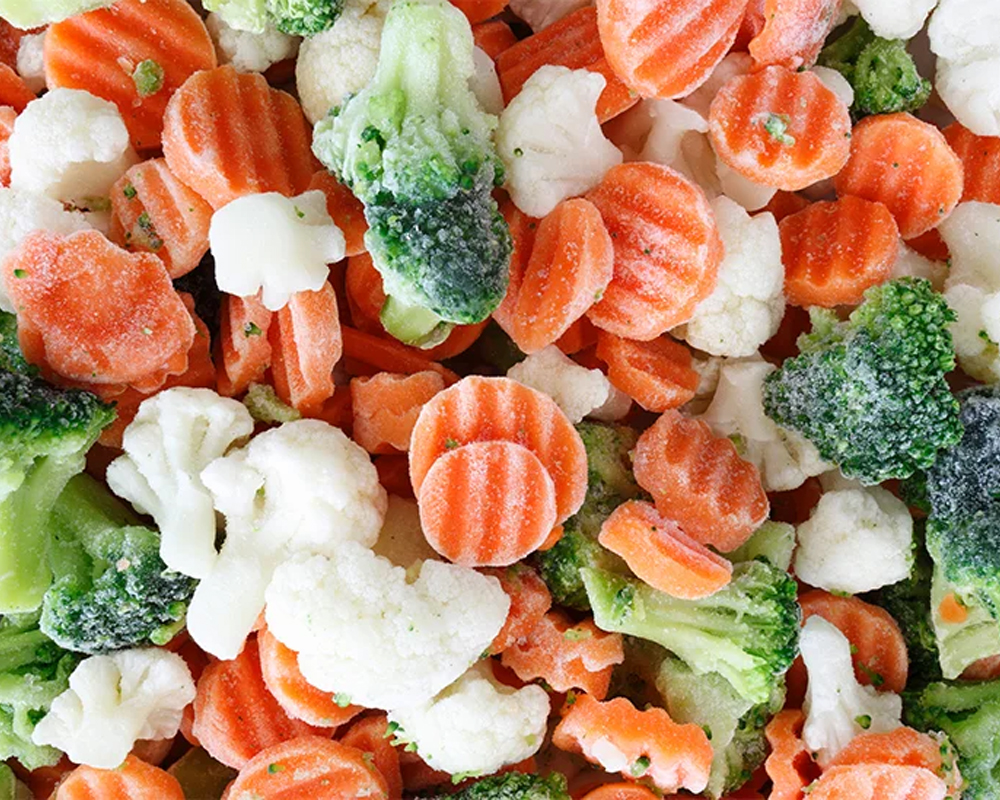
Frozen Vegetables: Frozen vegetables are those that have been harvested, cleaned, and frozen at their peak of freshness. They are then packaged and sold in the frozen aisle of grocery stores. Frozen vegetables can be just as nutritious as fresh vegetables, as long as they are not processed with added salt, sugar, or other ingredients.
While fresh vegetables are often considered the most nutritious, there are some advantages to frozen vegetables as well. For example, frozen vegetables are often more convenient, as they can be stored in the freezer for a longer period of time and can be quickly prepared in a microwave or steamed on the stovetop. They are also often more affordable than fresh vegetables, especially when they are out of season.
In conclusion, both fresh and frozen vegetables can be part of a healthy diet. Fresh vegetables offer the highest levels of vitamins and minerals, while frozen vegetables offer convenience and affordability. To get the most nutritional benefits from vegetables, it is important to choose a variety of both fresh and frozen options and to prepare them in a healthy way, such as steaming or roasting, rather than deep-frying.

